If your Minneapolis home is about to hit the market, you are not just selling square footage. You are competing for attention online, in buyers’ saved searches, and in a market where presentation can shape both speed and price. The good news is that with the right staging and marketing plan, you can make a stronger first impression and help buyers picture the value of your home right away. Let’s dive in.
Why presentation matters in Minneapolis
Minneapolis remains active, but buyers have become more selective. In March 2026, Redfin estimated a median sale price of $354,950 in Minneapolis, with homes spending about 30 days on market. In Hennepin County, homes were also selling in about 30 days.
At the same time, Twin Cities metro data from Minnesota Realtors suggests sellers are working harder for buyer attention. In March 2026, the metro median sales price was $380,000, new listings were up 1.9%, and pending sales were down 2.9%. That means strong presentation and smart marketing can help your home stand out when buyers have options.
Start with the online first impression
For many buyers, the first showing happens on a screen. NAR’s 2024 buyer data says 43% of buyers started their search online, 51% found the home they bought through online searches, and 69% used a mobile phone or tablet during the process.
That matters because buyers say the most useful listing tools are photos, detailed property information, and floor plans. If your home does not look clean, bright, and well-prepared online, some buyers may scroll past it before they ever schedule a tour.
What staging actually means
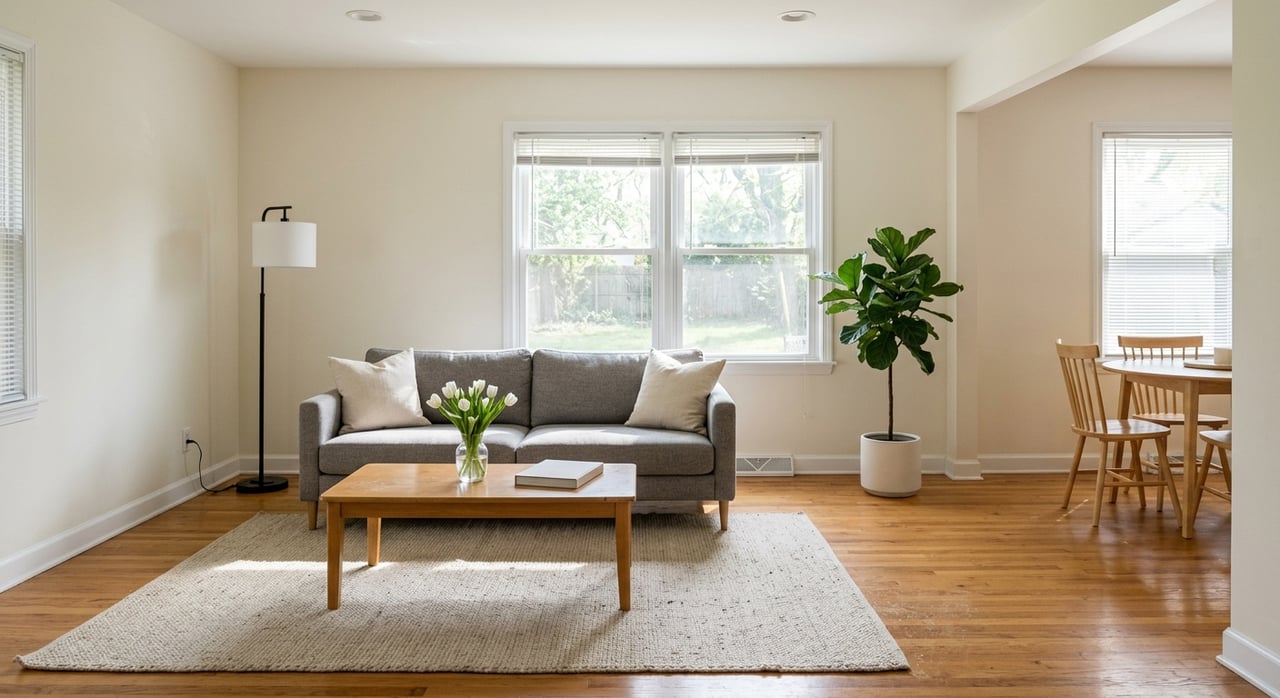
Staging is not about making your home look fake or overly designed. NAR defines it as cleaning, decluttering, repairing, depersonalizing, and updating the home so buyers can picture themselves living there.
That visual connection can make a real difference. In NAR’s 2023 staging survey, 81% of buyers’ agents said staging made it easier for buyers to visualize a property as a future home. Sellers’ agents also reported that staging often helped reduce time on market and, in some cases, increased the dollar value offered.
Focus on the rooms buyers notice most
If you are trying to decide where to spend time and money, start with the spaces buyers tend to notice first. According to NAR’s staging data, the rooms most often staged are:
- Living room
- Kitchen
- Primary bedroom
- Dining room
- Bathroom
These spaces often lead the listing photo gallery and shape the overall feel of the home. If your budget is limited, a room-by-room strategy can still have a strong impact.
The most important staging steps
Before photos or showings, the basics matter more than most sellers think. NAR’s most common prep recommendations include decluttering, whole-home cleaning, removing pets during showings, professional photos, and minor repairs.
A practical Minneapolis seller checklist looks like this:
- Remove excess furniture to make rooms feel more open
- Clear counters, shelves, and entry areas
- Deep clean windows, carpets, walls, and light fixtures
- Put away personal photos and highly specific decor
- Fix minor issues like loose handles, scuffed paint, or dripping faucets
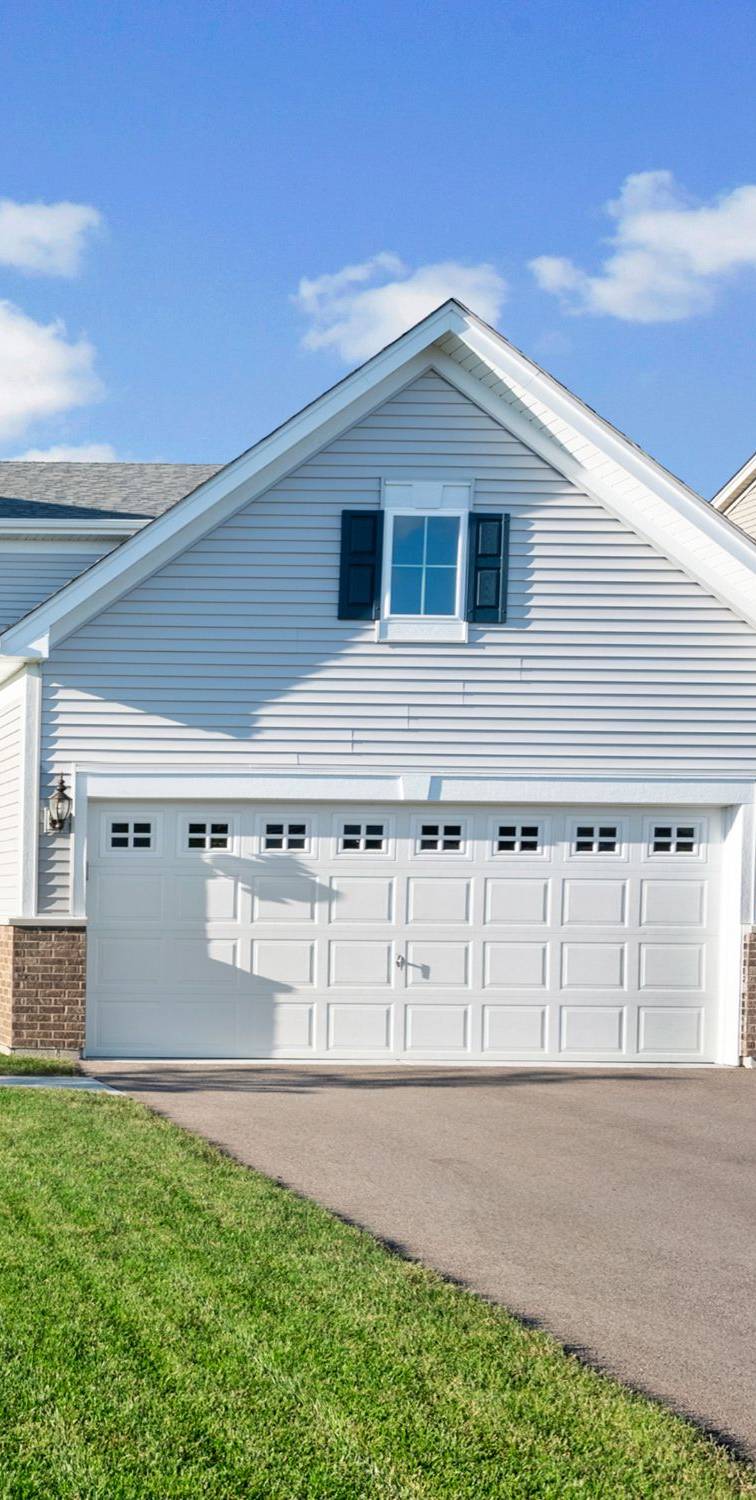
- Tidy the yard and freshen up curb appeal where needed
- Plan for pets to be out of the home during showings
These steps help your home feel cared for and move-in ready, both in photos and in person.
How to choose the right staging level
Not every Minneapolis listing needs full-service staging. NAR notes that self-staging, professional staging, and virtual staging can all be useful, depending on the property, condition, and budget.
That flexibility matters in a market where sellers want strong results without overspending. National cost estimates cited by NAR suggest that full staging can add up, especially if furniture rental is involved for multiple rooms over several months. For many sellers, selective staging is the smart middle ground.
When self-staging may work
Self-staging can be a good fit if your home is already furnished with neutral, well-scaled pieces and in strong overall condition. In that case, your main job is often editing the space, cleaning thoroughly, and making a few visual updates.
When professional staging may help
Professional staging can be worth considering if your home is vacant, your current furniture does not fit the space well, or the home needs a stronger visual story online. It can also help if you are selling in a price range where polished presentation is expected.
When virtual staging fits
Virtual staging can help buyers understand the layout of vacant rooms when used thoughtfully in marketing. It does not replace a well-prepared home, but it can support online interest when paired with strong photography and clear listing details.
Prepare for media day like it matters
Media day is one of the most important steps in your sale. If your home is being professionally photographed or filmed, that content may shape every showing request that follows.
The strongest media package usually includes professional still photography, a video walkthrough or 3D tour, and often a floor plan. NAR reports that sellers’ agents view photos as important 89% of the time and videos as important 44% of the time. Buyers also consistently say that photos, detailed information, and floor plans help them evaluate homes online.
Zillow also found that 3D tours were associated with homes going pending 14% faster and getting 37% more views. In a market where attention matters, that kind of visibility can be valuable.
Your media day checklist
Use this simple checklist before the camera crew arrives:
- Open blinds and curtains for natural light
- Turn on lamps and overhead lights
- Remove small items from kitchen and bathroom counters
- Hide trash cans, cords, pet bowls, and cleaning supplies
- Make beds with simple, clean bedding
- Sweep entryways, patios, and walkways
- Move cars out of the driveway if possible
Your goal is not perfection. Your goal is a clean, bright, spacious look that reads well on camera.
Build a marketing plan, not just a listing
A strong sale usually comes from a coordinated plan. NAR’s consumer guide says home marketing can include staging, professional photography, social media, signage, open houses, and competitive pricing. It also notes that MLS exposure usually provides the broadest exposure to prospective buyers.
That is why the best approach is to treat your sale as a full campaign. Your home needs the right preparation, the right price, the right launch timing, and broad distribution so buyers can find it where they are already searching.
For Minneapolis sellers, that often means combining:
- MLS exposure
- Professional photography
- Video or virtual tours
- Detailed listing information
- Yard signage
- Open house strategy
- Digital promotion that supports online discovery
At Rathmanner Real Estate Team, that listing-first mindset is central to how a home gets positioned for attention in the Twin Cities market.
Why timing and launch strategy matter
The first days on market are often the most important. Buyers who are actively watching Minneapolis and Hennepin County listings tend to notice new inventory quickly, especially when the home is well-presented online.
NAR’s consumer guide notes that holding the first open house the weekend after the home goes on the market can help maximize exposure. That kind of early momentum works best when your home is fully ready before launch, rather than being updated in pieces after it is already live.
Keep the marketing factual and focused
In Minnesota, listing marketing should stay focused on the property itself and objective facts. Minnesota law prohibits real estate advertising that directly or indirectly expresses limitations or discrimination based on protected characteristics.
That means the strongest listing copy is also the safest and most effective copy. It should highlight measurable features, condition, updates, layout, lot details, and factual location points, rather than coded language or assumptions about who the buyer should be.
A practical plan for Minneapolis sellers
If you want to simplify the process, think in this order:
- Prepare the home with cleaning, decluttering, repairs, and curb appeal work.
- Choose a staging strategy based on budget, condition, and target presentation.
- Schedule media day once the home is truly photo-ready.
- Launch with strong marketing across MLS, visuals, and digital promotion.
- Support the launch with showings and an early open house if it fits the plan.
This kind of organized approach can help you avoid a rushed listing, reduce unnecessary price pressure, and create better buyer interest from day one.
The bottom line
Selling your Minneapolis home is not just about putting a sign in the yard. In today’s market, buyers often discover your home online first, compare it quickly against other options, and decide within seconds whether it feels worth a visit.
That is why staging and marketing work best together. When your home is clean, well-prepared, professionally presented, and launched with a clear plan, you give yourself a better chance to attract attention and move forward with confidence.
If you are thinking about selling in Minneapolis or anywhere in the Twin Cities, Max Rathmanner can help you build a smart, polished listing strategy with staging guidance, professional marketing, virtual tours, and targeted digital exposure.
FAQs
What does home staging mean for a Minneapolis home sale?
- Home staging means preparing your home through cleaning, decluttering, repairs, depersonalizing, and updates so buyers can better picture themselves living there.
Which rooms matter most when staging a Minneapolis listing?
- The living room, kitchen, primary bedroom, dining room, and at least one bathroom usually deserve the most attention because they make a strong impression in photos and showings.
Does staging really help a home sell faster in Minneapolis?
- NAR’s 2023 survey found that many sellers’ agents said staging decreased time on market, and buyers’ agents said it helped buyers visualize the home more easily.
What should I do before listing photos are taken?
- Deep clean, declutter, depersonalize, complete minor repairs, improve curb appeal, and remove pets during showings or media appointments.
What marketing should a Minneapolis home sale include?
- A strong marketing plan often includes MLS exposure, professional photography, detailed listing information, video or virtual tours, signage, open houses, and digital promotion.
When should I hold an open house after listing my Minneapolis home?
- NAR’s consumer guide says the first open house is often most effective when held the weekend after the home goes on the market.