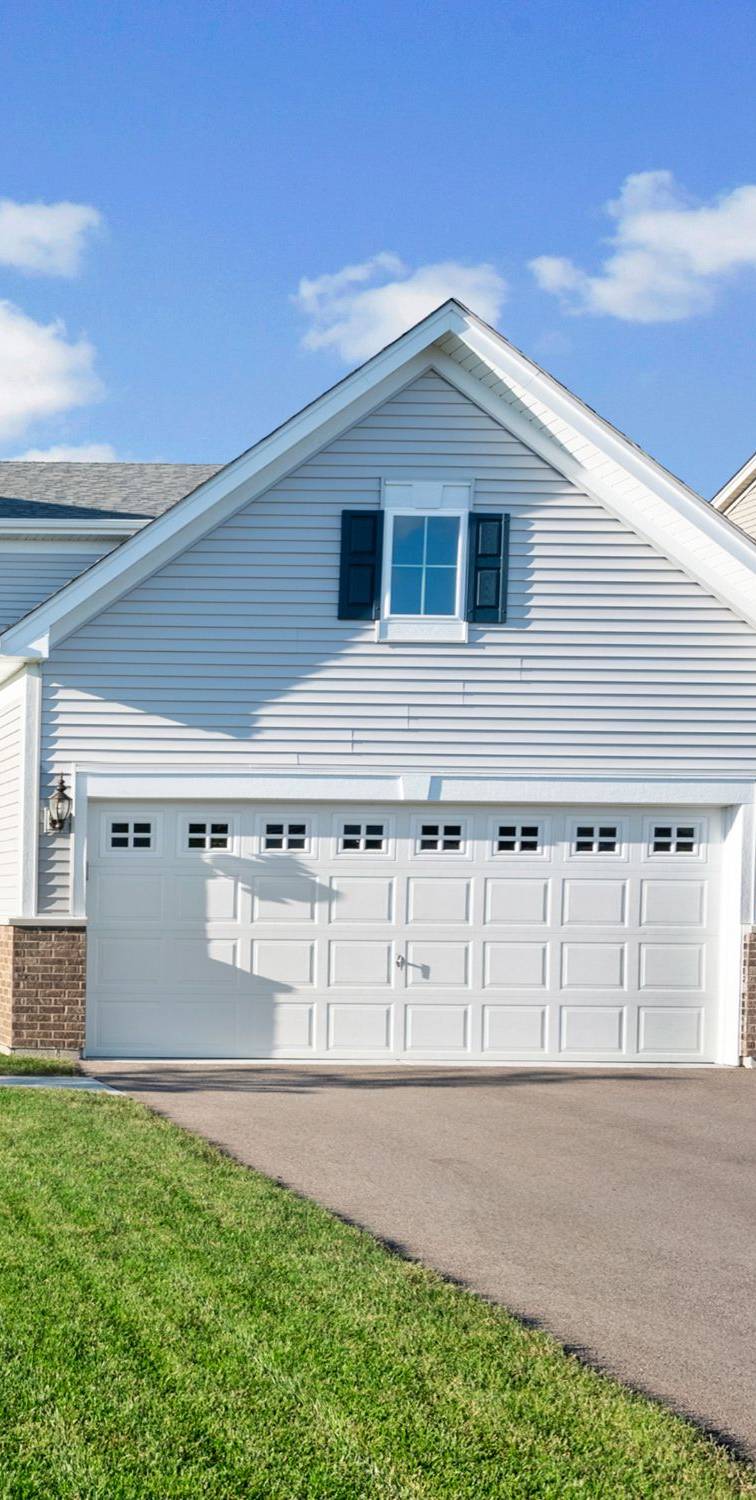
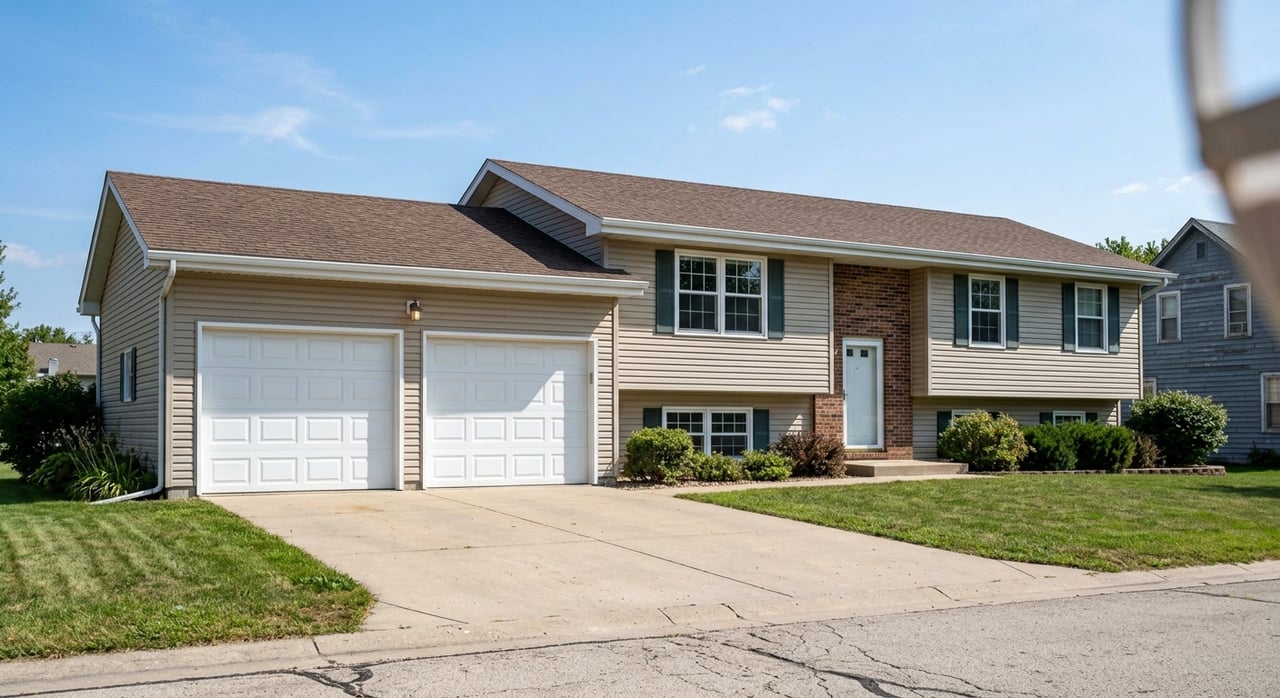
Trying to decide between a brand-new home and an existing one in Plymouth? This choice is a little different here than in some fast-growing suburbs because Plymouth is largely built out, which changes what “new construction” really looks like. If you want to understand where the opportunities are, what tradeoffs matter most, and how to choose the right fit for your budget and lifestyle, this guide will help you sort it out. Let’s dive in.
Why Plymouth feels different
In Plymouth, the new-vs-existing decision is often not just about age. It is often about redevelopment or infill versus established suburban housing.
The city has said greenfield development has slowed as Plymouth has become more built out. That means many newer housing options are showing up through redevelopment, mixed-use projects, attached homes, and a limited number of remaining undeveloped or underdeveloped parcels rather than large waves of brand-new detached subdivisions.
That local context matters. If you picture new construction as a long row of fresh single-family homes on brand-new lots, that may only match part of what is available in Plymouth today.
What new construction looks like in Plymouth
Plymouth still has new housing activity, but the mix is important. In 2023, the city recorded 532 residential units constructed, including 137 single-family homes and 395 units in new multi-family buildings.
That tells you the local pipeline is weighted more toward attached or higher-density housing than detached houses. For many buyers, that means newer options may be more likely to be townhome, apartment, mixed-use, or planned-development products rather than a traditional stand-alone house on a brand-new lot.
The city’s planning materials reinforce that pattern. City Center planning was updated to allow apartment, townhome, and mixed-use residential development, and recent redevelopment examples include former commercial sites being converted into housing.
There are still some detached-lot opportunities, especially in parts of northwest Plymouth. But the city reported about 73 undeveloped or underdeveloped parcels remained, which suggests that new single-family lot options are more limited and more concentrated than resale choices.
What existing homes offer in Plymouth
Existing homes are still the most common path if you want a more traditional neighborhood setting in Plymouth. That is partly because much of the city’s housing stock was built in earlier decades, especially from the 1970s through the 1990s.
The city’s long-range housing data shows a large share of Plymouth homes were built during those years. In practical terms, that means resale inventory often puts you in established neighborhoods where you can see the streetscape, lot sizes, landscaping, and surrounding homes right away.
That visibility can be a real advantage. When you buy an existing home, you usually get a clearer picture of how the property lives day to day, even if you may also need to budget for repairs or updates.
New construction pros in Plymouth
New construction appeals to buyers who want a home with modern systems, newer materials, and fewer near-term repair surprises. In Plymouth, that can be especially attractive if you want a lower-maintenance start.
Minnesota also gives buyers important statutory warranty protection on new-home construction contracts. The standard framework is 1 year for workmanship and materials, 2 years for plumbing, electrical, heating, and cooling systems, and 10 years for major construction defects.
Those warranties are transferable to later purchasers, which adds value beyond the first owner. For buyers who like structure and predictability, that warranty framework is one of the strongest reasons to consider new construction.
You may also have some ability to choose finishes and layouts. With many production-style builders, that usually means selecting from a menu of plans and options rather than designing every detail from scratch.
New construction cons in Plymouth
The biggest challenge with new construction in Plymouth is availability and format. Because the city is built out, newer homes are often tied to infill, redevelopment, or attached housing instead of large detached neighborhoods.
That can narrow your choices if you want a brand-new single-family home on a more traditional lot. You may need to be flexible on location, lot setting, housing type, or timeline.
The process can also be more complex. For one- and two-family construction, Plymouth requires a signed permit application, scaled plans, a current survey, and energy-code compliance documents, and complete permit applications may take up to five working days to process before the staged construction and inspection process continues.
Warranties are helpful, but they are not a cure-all. Repair coverage does not always include every disruption cost, such as temporary living expenses if work needs to be done after closing.
Existing home pros in Plymouth
Existing homes give you more immediate access to Plymouth’s established housing stock. If your priorities include mature landscaping, familiar neighborhood patterns, or a broader range of lot and home styles, resale homes often give you more to work with.
You also get to evaluate the home in real life right now. You can see the actual lot, room sizes, natural light, traffic flow, and how the property sits within the neighborhood before making a final decision.
For many buyers, that makes decision-making easier. Instead of imagining a finished product from plans or samples, you are evaluating a complete home as it stands today.
There may also be local support options if you are considering a home that needs updates. Plymouth’s Housing Division administers first-time homebuyer and home-rehabilitation programs, which can be useful context if you are weighing an older property.
Existing home cons in Plymouth
The tradeoff with resale homes is condition risk. Older systems, deferred maintenance, or upcoming repair needs can affect your budget more than you first expect.
That is why inspections matter so much. An existing home purchase may involve fewer construction-related steps than a new build, but it puts more weight on your inspection, contingency language, repair negotiations, and renovation planning.
If you are looking at a fixer-upper, be realistic about both cost and timing. Cosmetic updates are one thing, but major systems or structural issues can change the math quickly.
Warranties, inspections, and protection
One of the clearest differences between these two paths is how buyer protection works. With new construction, Minnesota’s statutory warranty structure plays a central role.
If a warranty issue comes up, Minnesota usually requires a notice-and-opportunity-to-repair process before a lawsuit can move forward. That gives the builder a chance to respond and, if needed, can lead into the state’s home-warranty dispute process.
With an existing home, protection usually comes more from due diligence before closing. An independent home inspection and a strong inspection contingency are especially important because they help you identify major concerns and decide whether to proceed, renegotiate, or walk away.
In short, new construction leans more on warranty protection after completion, while existing homes lean more on inspection and negotiation before closing.
HOA and ownership costs
In Plymouth, this topic matters more than some buyers expect. Because many newer housing opportunities are tied to attached housing, planned developments, or mixed-use settings, homeowners association documents and dues can be a bigger part of the ownership picture.
In Minnesota, most newer common-interest communities are governed by the Minnesota Common Interest Ownership Act. That law covers issues such as budgets, assessments, insurance, records access, and enforcement of governing documents.
If you are comparing new construction to an existing single-family home, make sure you are comparing the full monthly cost, not just the price tag. HOA dues, association rules, and shared-maintenance structures can shape both your budget and your day-to-day experience.
Budget and timeline considerations
Plymouth is not an entry-level market in broad terms. U.S. Census QuickFacts reports a median owner-occupied housing value of $491,200 and a median monthly owner cost with a mortgage of $2,583 during the 2020 through 2024 period.
That makes it even more important to match the home type to your budget. A newer home may reduce early repair uncertainty, but it can come with builder deposits, HOA costs, or upgrade decisions that push the final number higher.
An existing home may offer a different kind of value, but you need room in your budget for inspections, possible repairs, and future updates. Neither path is automatically cheaper. The better fit depends on how you want to spend your housing dollars.
How to choose the right fit
If you are deciding between new construction and an existing home in Plymouth, start with a few simple questions:
- Do you want a brand-new home experience, even if it means fewer detached-home options?
- Do you prefer an established neighborhood feel with a clearer picture of the lot and surroundings?
- Are you comfortable with inspection and renovation risk?
- Would you rather have warranty coverage and newer systems?
- Are HOA dues or planned-community rules a concern for you?
- Do you need to move on a specific timeline?
If you want newer finishes, lower early maintenance, and warranty protection, new construction may be worth the extra process. If you want more neighborhood context, more immediate availability, and a broader selection of traditional resale homes, existing homes may be the stronger choice.
In Plymouth, the answer often comes down to this: new construction offers newer product and more process, while existing homes offer more established settings and more condition review. Neither is better for everyone. The right choice is the one that fits how you want to live and what you want your budget to do.
If you want help comparing specific homes, neighborhoods, and ownership costs in Plymouth, Max Rathmanner can help you narrow your options and move forward with confidence.
FAQs
What does new construction usually mean in Plymouth, MN?
- In Plymouth, new construction often means infill, redevelopment, townhome, mixed-use, or other attached housing rather than large new detached subdivisions, because the city is largely built out.
Are there still new single-family homes available in Plymouth?
- Yes, but they are more limited than resale options and are often concentrated in remaining undeveloped or underdeveloped areas, including parts of northwest Plymouth.
What warranty protection comes with a new home in Minnesota?
- Minnesota’s statutory framework generally provides 1 year for workmanship and materials, 2 years for plumbing, electrical, heating, and cooling systems, and 10 years for major construction defects.
Why are inspections so important for existing homes in Plymouth?
- Existing homes place more of the condition review on you as the buyer, so an independent inspection and strong inspection contingency help you understand repair needs and negotiate from a clearer position.
Do newer Plymouth homes often have HOA dues?
- Many newer housing opportunities in Plymouth are in attached or planned developments, so HOA dues and association rules can be part of the total ownership picture.
Is new construction always easier than buying an existing home in Plymouth?
- Not always. New construction may reduce early repair uncertainty, but it often involves more process, more documents, staged inspections, and sometimes a more limited set of housing types locally.