
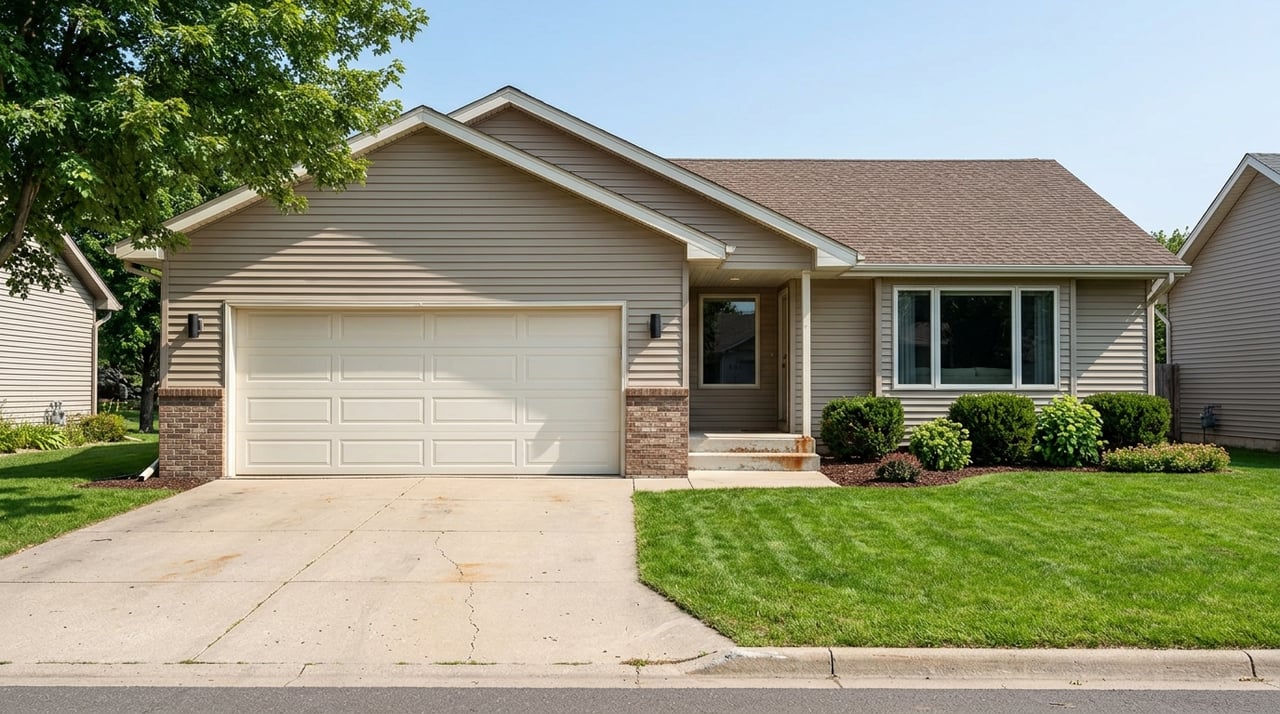
Wondering how to sell your current home and buy your next one without the whole process turning into a scheduling headache? If you are planning a move in St. Paul, that concern is completely normal. The good news is that with the right timing, a clear plan, and strong local guidance, you can reduce stress, protect your budget, and keep your move on track. Let’s dive in.
Understand the St. Paul timing
If you are trying to sell and buy at the same time, timing matters more than almost anything else. In St. Paul, homes were selling in about 32 days in March 2026 according to Redfin, while Zillow reported homes going pending in around 28 days as of March 31, 2026.
That tells you the market is still moving at a solid pace, even if it is not as extreme as it was a few years ago. Redfin also reported an average of two offers and a median sale price of $295,000, while Zillow reported an average home value of $293,972. At the metro level, Minnesota Realtors reported 2.1 months of supply in February 2026, which still points to a market where preparation can make a real difference.
For many St. Paul homeowners, the biggest question is not whether to move. It is how to line up the sale, purchase, and moving dates in a way that avoids unnecessary pressure. If you already have equity in your current home, that can give you more flexibility as you plan your next step.
Start with your equity picture
Before you choose a strategy, get clear on how much equity you may have. A simple starting point is to subtract your mortgage balance from your home’s current market value.
You will also want to budget beyond that rough number. Repair costs, closing costs, and moving expenses all affect how much cash you may actually have available for your next purchase.
This is where a local, organized plan helps. You want to know what your home could realistically sell for, what you may net after expenses, and how that number fits with your down payment and purchase goals.
Choose the right move strategy
There is no one perfect way to sell and buy a home in St. Paul. The best path depends on your finances, timeline, and comfort with risk.
Sell first, then buy
This is the most straightforward option for many homeowners. In general, selling first gives you a clearer picture of your proceeds and reduces the chance of carrying two homes at once.
It can also make your purchase decisions easier. Once your sale is complete, you know your budget, your closing timeline, and how much cash you have for the next home.
The tradeoff is that you may need temporary housing if you do not find your next home right away. Still, for many sellers, this route offers the most financial clarity and the least uncertainty.
Buy first, then sell
In some situations, buying first may make sense. This can be helpful if you find the right home before your current one is under contract or if your move timeline is tight.
If you need to buy before selling, a lender may discuss options like bridge or swing financing with you. Fannie Mae guidance notes that the lender must document your ability to carry the payments on the new home, the current home, the bridge loan, and other obligations.
This option can work, but it requires careful review. If you need sale proceeds from your current home for the down payment or closing costs, the lender must verify those proceeds with the settlement statement from the sale of your existing home.
Same-day or near-concurrent closing
A same-day or near-concurrent closing can help reduce overlap between homes. If both transactions are moving smoothly, this approach can limit temporary housing needs and help simplify your move.
Because the timing is tight, organization is key. Your financing, inspection, title, and settlement timelines all need to stay on track so one delay does not affect both transactions.
Build your plan before listing
If you want a smoother move, do the planning early. Waiting until your home is live on the market can leave you making fast decisions under pressure.
A strong pre-listing plan should answer a few important questions:
- How much equity will you likely have after sale costs and any liens?
- How quickly is your St. Paul price range moving right now?
- Do you want to target a fast sale, a rent-back, or a same-day close?
- If dates do not line up, what is your backup housing plan?
- What paperwork and disclosures should be ready before listing?
When these details are handled upfront, the rest of the process tends to feel more manageable.
Prepare your St. Paul home to sell
Selling and buying at the same time is easier when your current home is market-ready from the start. A home that launches well is more likely to attract attention quickly and help you move into the next phase with confidence.
That is why preparation matters so much. Pricing, presentation, and marketing all influence how fast your home sells and how much flexibility you have on the buy side.
For St. Paul sellers, that often means focusing on:
- Accurate pricing based on current market conditions
- Staging and presentation that help buyers understand the home
- Professional photography and virtual tours
- Digital marketing that expands exposure
- A showing plan that fits your timeline and household needs
This is also where a team-driven approach can help. Coordinating listing prep, launch timing, showings, and closing details takes real organization when you are also trying to shop for your next home.
Know Minnesota disclosure requirements
Before signing an agreement to sell or transfer residential real property in Minnesota, sellers are required to provide a written disclosure. That disclosure must include material facts known to the seller that could adversely and significantly affect an ordinary buyer’s use and enjoyment of the property or any intended use.
In practical terms, that means it is smart to gather your records early. Repair history, known issues, warranties, and other useful paperwork can help your home be presented accurately from day one.
Good organization here does more than check a box. It can also help reduce surprises once buyers begin inspections and due diligence.
Plan for inspections and contingencies
If you are buying while selling, your timelines can get tight fast. That is why inspection and financing contingencies should be handled carefully.
Consumer guidance from the CFPB recommends making purchase offers contingent on financing and a satisfactory inspection. It also recommends scheduling the home inspection as soon as possible so there is enough time to resolve any issues before closing.
That advice matters even more when two transactions are connected. The smoother your inspection and financing process is on the purchase side, the easier it is to keep your sale and move plan aligned.
Have a backup housing option
Even with good planning, the dates do not always line up perfectly. That is why every move plan should include a backup housing strategy.
Common options include:
- A rent-back after closing
- A short lease or month-to-month rental
- A short-term rental
- Staying with family or friends for a short period
The best option is usually the one that gives you enough breathing room without adding too much cost or complexity. If you are considering a rent-back, keep in mind that Fannie Mae defines a rent-back credit as payment to the seller for staying in the home for a set period after closing, but that credit cannot be used as a source of funds for closing costs, down payment, or reserves.
Understand St. Paul rental rules
If your transition plan involves temporary housing in St. Paul, local rules matter. For example, the city requires a Short-Term Rental Host license for any dwelling unit or portion of a unit rented for less than 30 days, and it is unlawful to advertise or operate without one.
For longer temporary rentals, Saint Paul’s rent stabilization ordinance limits residential rent increases to no more than 3% in any 12-month period, though exceptions apply. If you are comparing rental options during your move, it is wise to look at both price and local requirements.
Do not forget homestead status
One detail that can easily get overlooked during a move is homestead classification. In Ramsey County, homestead is the classification for owner-occupied primary residences and may reduce taxable market value while also helping a homeowner qualify for the state property tax refund.
If you are selling your current primary residence or changing your primary residence, Ramsey County says you should notify the assessor within 30 days. Add this to your move checklist early so it does not get missed in the shuffle.
Work with a coordinated local plan
When you are both selling and buying, the real challenge is usually coordination. You are managing pricing, showings, financing, inspections, title work, settlement timing, moving logistics, and sometimes temporary housing all at once.
That is why process matters. A clear plan can help you decide whether to list first, buy first, aim for a same-day close, or build in a short overlap with a backup housing option.
In a market like St. Paul, where homes are still moving relatively quickly, strong preparation can give you more control. And when your listing is positioned well from the start, you put yourself in a better spot to move forward on the buy side with confidence.
If you are thinking about making a move in St. Paul, working with a team that understands local timing, presentation, and the moving parts of both transactions can make the process feel a lot more manageable. If you want a clear plan for your next step, connect with Max Rathmanner for a free home valuation.
FAQs
How long does it take to sell a home in St. Paul?
- In March 2026, Redfin reported that St. Paul homes sold in about 32 days, while Zillow reported homes going pending in around 28 days as of March 31, 2026.
Should you sell your St. Paul home before buying another one?
- For many homeowners, selling first offers more financial clarity because you know your sale proceeds before buying, but the best option depends on your budget, timeline, and comfort with temporary housing or overlap.
Can you buy a home before selling your current home in St. Paul?
- Yes, in some cases a lender may allow options such as bridge or swing financing or qualification using anticipated sale proceeds, but the lender must verify your ability to carry the related obligations and document proceeds as required.
What temporary housing options work during a St. Paul move?
- Common options include a rent-back after closing, a short lease, a month-to-month rental, a short-term rental, or staying with family or friends.
What disclosures do Minnesota home sellers need to make?
- Minnesota law requires a written seller disclosure before signing an agreement to sell or transfer residential real property, including known material facts that could adversely and significantly affect an ordinary buyer’s use and enjoyment of the property or any intended use.
What should Ramsey County homeowners know about homestead when moving?
- Ramsey County says homeowners should notify the assessor within 30 days of selling a property or changing their primary residence so homestead classification can be updated properly.