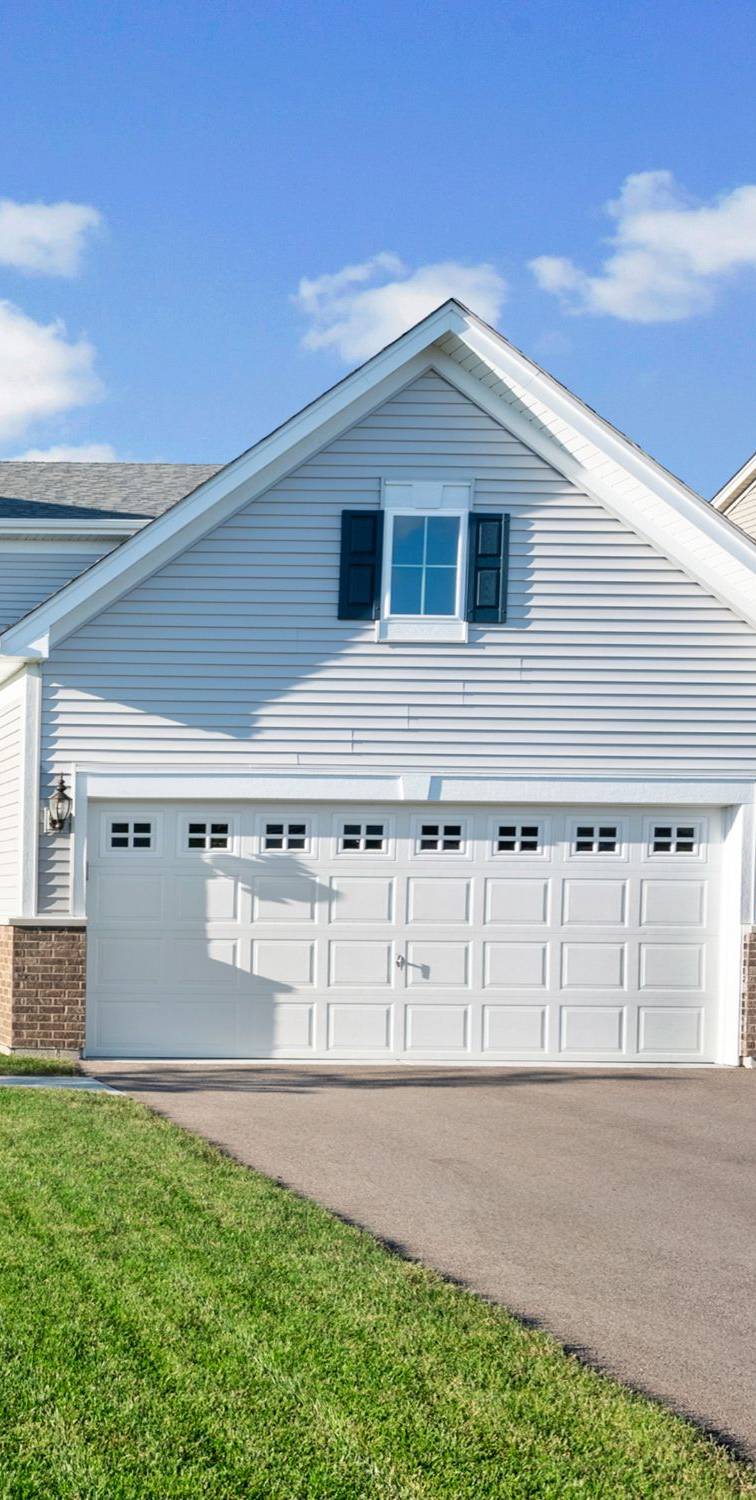
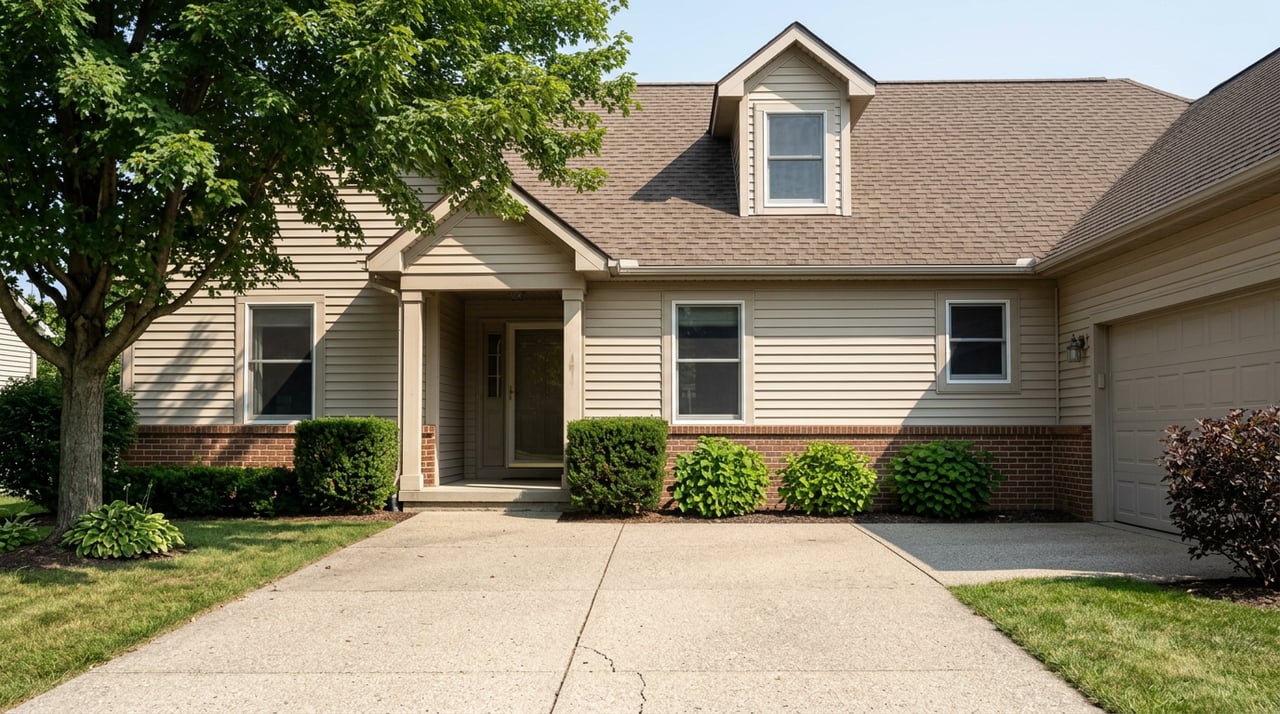
Two nearly identical raised ranches sit on the same Golden Valley block. Same era, same layout, same finishes. One can go on the market this weekend. The other needs a plumber, a camera crew for the sewer line, and up to a year of city paperwork before a sign goes in the yard.
The house isn't the problem. A piece of paper from a previous owner is.
That's the part of Golden Valley's process that surprises sellers moving in from Minneapolis or St. Paul, where a Truth-in-Sale of Housing inspection walks the entire home for safety issues before it can be shown to buyers. Golden Valley skips that. There is no general point-of-sale home inspection here at all. What the city requires instead is narrower, older, and tied to one pipe most homeowners have never thought about: the line carrying wastewater from the house to the street.
What the City Actually Checks
Not the roof. Not the furnace, the electrical panel, or the windows. Golden Valley's ordinance exists to solve one problem: clear water getting into the sanitary sewer where it doesn't belong. The city calls it Inflow and Infiltration, or I/I, and the inspection that screens for it looks at exactly two things.
- Whether a sump pump discharges into the sanitary sewer instead of outside the house (an illegal connection called inflow)
- Whether the underground sewer line running from the house to the street has cracks or open joints that let groundwater seep in (infiltration)
An inspector confirms the first by watching the sump pump run and the second by threading a camera down the line from a cleanout in the basement floor. Plan for roughly ninety minutes for the full appointment on a typical single-family home, with the property owner or another responsible adult present the entire time.
The Deadline Nobody Mentions
Here's the detail that catches people off guard. Minneapolis requires its TISH report within three days of listing, but the listing itself can go up first. Golden Valley reverses that order. The Certificate of I/I Compliance has to exist before the home is advertised for sale at all. Before the yard sign. Before the listing photos go anywhere. Before a single showing gets booked.
A seller who lists first and schedules the sewer inspection second is already out of compliance the moment the listing goes live.
For a home that passes clean, this is a scheduling errand: a call to Public Works and a ninety-minute appointment. For a home that doesn't pass, it's the start of a much longer clock.
The Clock That Resets Itself
A failed inspection produces a correction notice instead of a certificate. From there, the city gives the owner 180 days to complete repairs, with one 180-day extension available on request. That's up to a full year to fix a sump pump connection or reline a sewer segment.
Miss that window and the entire inspection becomes invalid, not just the certificate. The seller starts over: a new appointment, a new application, and the fee again, $250 for a single-family home or $750 per building for commercial and multi-unit properties. Fail twice and a third attempt can trigger yet another application fee before the city will schedule a follow-up visit.
Skipping the requirement altogether isn't a quiet option either. Selling or transferring title without a certificate is a misdemeanor under the city code, and Golden Valley can add a monthly surcharge to the property's utility bill, up to $500 for a residential account, until compliance is resolved.
For repair work, the city maintains a list of contractors certified to do the trenchless sewer lining it accepts as an alternative to full excavation, including Bonfe Underground, Brothers Underground, Gene's Water & Sewer, and Highview Plumbing. Getting one of them on the schedule early matters more than the fee itself, since contractor availability, not city processing, is usually what eats into that 180-day window.
How Golden Valley Compares to Its Neighbors
| City | What's inspected | Repair requirement |
|---|---|---|
| Golden Valley | Sanitary sewer line and sump pump connection only | Certificate required before title transfers; escrow allowed if unresolved |
| Bloomington | Whole home (Time of Sale inspection) | Repairs must be completed before closing |
| Minneapolis | Whole home (TISH) | Buyer completes unresolved items within 90 days if seller doesn't |
| St. Paul | Whole home (TISH), disclosure-focused | No repairs required, except a hardwired smoke detector if none exists |
A seller moving between these cities is really moving between two different philosophies. Bloomington and Minneapolis treat the pre-sale inspection as a repair gate for the whole structure. St. Paul treats it as paperwork. Golden Valley treats it as a plumbing problem with a deadline attached, and nothing else.
The Escrow Way Around It
If repairs can't be finished before closing, Golden Valley allows the buyer to take them on instead, but not as a handshake deal. It requires an escrow arrangement through the closing agent and a signed I/I Compliance Agreement between the city and whoever becomes responsible for the fix after title transfers. That's a document the city has to countersign, which is worth raising with a title company well before closing week rather than discovering it as a last-minute holdup.
The Certificate That Outlives the Owner
This is what explains the two neighbors from the opening. Once a home earns its Certificate of I/I Compliance, the certificate stays with the property, not the person who paid for it. A house that passed inspection under a previous owner doesn't need to redo it for the next sale, unless that certificate is more than a year old at the time of a new inspection trigger, in which case only the sump pump portion needs a fresh look rather than the full sewer camera pass.
Sell the same house twice in a few years and the second sale can skip the process entirely.
That's why the real variable in a Golden Valley sale usually isn't the age of the sewer line. The city has been running these inspections since 2007 and folds them into its street reconstruction schedule as well, inspecting properties the year before a road project reaches them. A lot of older homes on this block have already been through this once, sometimes twice, for reasons that had nothing to do with selling. The variable is whether that paperwork is on file at City Hall, which a seller can confirm with one phone call before listing rather than finding out after an offer is already on the table.
Why the City Cares About One Pipe
The reason Golden Valley narrowed its rule to sewers instead of a whole-home review traces back to a regional cost problem. The Metropolitan Council Environmental Services, which treats wastewater for the metro, charges member cities more when clear water floods their sanitary systems during storms, because that water still has to be treated even though it was never sewage. Golden Valley was identified as a contributor to that overflow, and fixing it property by property at the point of sale was judged cheaper for homeowners than a blanket citywide assessment, since a sale is typically when a homeowner has equity available to cover a repair.
The city adjusted its own ordinance within five months of passing it in 2007, after sellers and agents raised concerns about the original timeline and its effect on cash flow during a transaction. That's part of why the current version gives a full year to fix a problem instead of a hard, unforgiving deadline.
If You're Buying, Ask for the Certificate by Name
Because Golden Valley doesn't run a general home inspection at time of sale, more of the burden falls on a buyer's own independent inspection to catch anything outside the sewer line. The one document worth requesting up front, before assuming the sewer is settled, is the seller's Certificate of I/I Compliance and its issue date.
A Few Questions Worth Asking Before You List
Does the I/I inspection apply if I'm renting my home out instead of selling it? The requirement is tied to a change in title or ownership, not to occupancy. Refinancing or renting doesn't trigger it on its own, though a plumbing permit over $10,000, a variance request, or a minor subdivision application will.
How long should I budget if repairs turn out to be needed? Treat the 180-day window as the real timeline, since the city can grant one extension of equal length. If you have a firm closing date in mind, schedule the initial inspection as early in your listing planning as possible, well before you'd normally start prepping photos or staging.
What if my Certificate of I/I Compliance is more than a year old? You'll need a fresh sump pump check before the sale can proceed, even if the underlying sewer line inspection remains valid. It's a shorter appointment than the full inspection, but it still has to happen before title can transfer.
If you're weighing a move within Golden Valley, or into it from a city that works differently, the sewer inspection is one of a handful of local quirks worth mapping out before you set a listing date. Rathmanner Real Estate Team builds the I/I timeline into every Golden Valley listing plan from day one, and offers a free home valuation to help you see where your numbers stand before that clock starts running.