Wondering whether a Golden Valley mid-century home is a smart buy or a renovation project worth taking on? You are not alone. In a city where a large share of homes were built in the 1950s and 1960s, the real question is often how to update an older home without losing the features that made you love it in the first place. This guide will help you think through what to preserve, what to inspect first, and which updates tend to make the most sense in Golden Valley. Let’s dive in.
Why mid-century homes stand out in Golden Valley
Golden Valley has a housing stock that naturally puts mid-century homes front and center. According to the city’s 2025 housing study, 28.9% of housing units were built in the 1950s and 22.0% were built in the 1960s. The same report shows that detached homes make up 63.1% of all units, which helps explain why so many buyers here are comparing older single-family homes with different levels of updating.
That local mix matters when you shop or renovate. In 2025 year-to-date, the city reported a median sales price of about $420,000 and an average of 46 days on market in the same housing study. In practical terms, that means your renovation choices should support comfort and resale, not just personal taste.
What to preserve in a mid-century home
One of the biggest mistakes buyers and owners can make is assuming everything old needs to go. Many mid-century homes were designed around clean lines, function, and a lighter, more open feel. Those original features are often part of the home’s appeal.
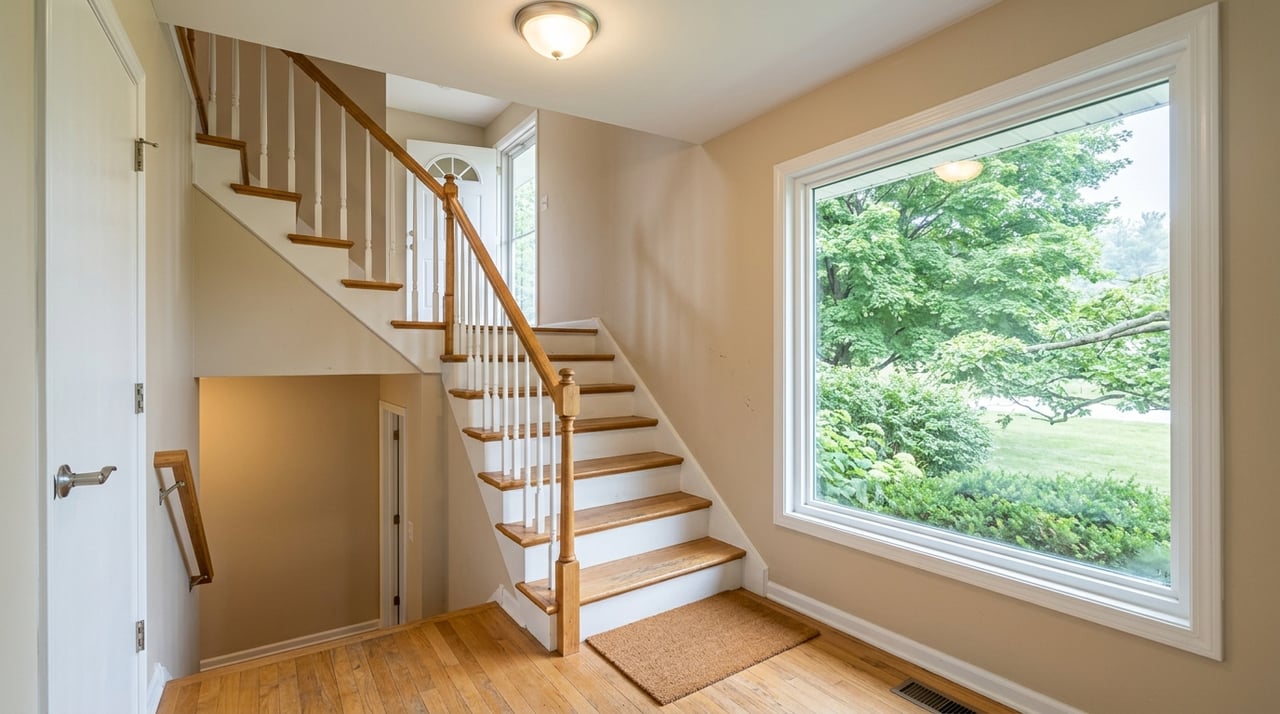
According to Britannica’s overview of mid-century modern design, ranch and mid-century homes often emphasize simple forms and functional layouts. The National Park Service guidance referenced in the research also describes common 1950s ranch interiors as having open floor plans, eat-in kitchens, large living areas, integrated dining spaces, built-ins, and generous glass.
Features buyers often value
If you are buying or updating a Golden Valley mid-century home, these are often worth a closer look before replacing them:
- Original picture windows
- Built-in shelving or storage
- Simple rooflines and clean exterior forms
- Open living and dining flow
- Large glass areas that bring in natural light
Preserving these elements can help the home keep its character. It can also make updates feel more thoughtful and cohesive rather than generic.
What to inspect first before renovating
Character matters, but safety and function come first. If you are evaluating a mid-century property, start with the issues that affect health, comfort, and future repair costs.
Lead paint in pre-1978 homes
If the home was built before 1978, lead paint needs to be part of your planning. The EPA states that 24% of homes built between 1960 and 1978 have some lead-based paint, and renovation work that disturbs painted surfaces can create dangerous lead dust. The EPA also notes that lead-safe certified contractors must handle covered renovation work in pre-1978 homes.
For many Golden Valley homes from the 1950s and 1960s, it makes sense to treat lead-safe planning as a starting point until testing shows otherwise. That is especially important if you are sanding, cutting, replacing trim, or opening walls.
Asbestos in older materials
Asbestos is another item that should be handled carefully. The EPA explains that you cannot identify asbestos just by looking at a material. If your project will disturb old floor tile, ceiling tile, pipe wrap, or similar materials, sampling by a trained asbestos professional is the safe next step.
In some cases, asbestos-containing material in good condition may be left in place. The bigger risk comes when it is cut, drilled, sanded, or removed improperly.
Roof, water, and aging systems
Before you plan cosmetic upgrades, look closely at the basics. A roof nearing the end of its life, signs of water intrusion, drafty rooms, or aging heating and cooling equipment can cost more than a surface-level remodel if ignored.
The U.S. Department of Energy says many older homes have less insulation than newer homes, and a home energy audit can help identify where air sealing and insulation improvements are needed first. DOE also notes that if a forced-air system is more than 15 years old, replacement should be considered.
How to update for comfort and efficiency
Many buyers want a home that feels original but lives better day to day. The best update plan usually starts with the building envelope and core systems instead of jumping straight to expensive finishes.
Start with air sealing and insulation
DOE recommends beginning with air sealing before adding insulation. In an older home, that can mean improving attic insulation, sealing gaps, addressing foundation areas, and sealing or insulating ducts when needed. These upgrades can make a noticeable difference in comfort, especially in homes with uneven temperatures from room to room.
This kind of work may not be the most exciting part of a renovation, but it often creates the biggest day-to-day improvement. It also supports long-term operating costs better than purely cosmetic updates.
Think carefully before replacing windows
Windows are a major part of a mid-century home’s look. They also have a direct effect on comfort and energy use. DOE says heat gain and loss through windows account for 25% to 30% of residential heating and cooling energy use.
That does not always mean full replacement is the best answer. If your existing windows are still in decent condition, DOE says caulking, weatherstripping, storm windows, and window coverings may be more cost-effective than replacement. The agency also notes that low-e storm windows can offer savings similar to replacement at about one-third of the cost, while often fitting better with the original architecture.
Renovations that tend to align with resale
If resale is part of your thinking, restraint usually pays off better than over-improving. In many cases, smaller, visible, well-executed upgrades do more for value than large discretionary remodels.
According to the 2025 Minneapolis Cost vs. Value report, several projects showed especially strong cost recoup in the region:
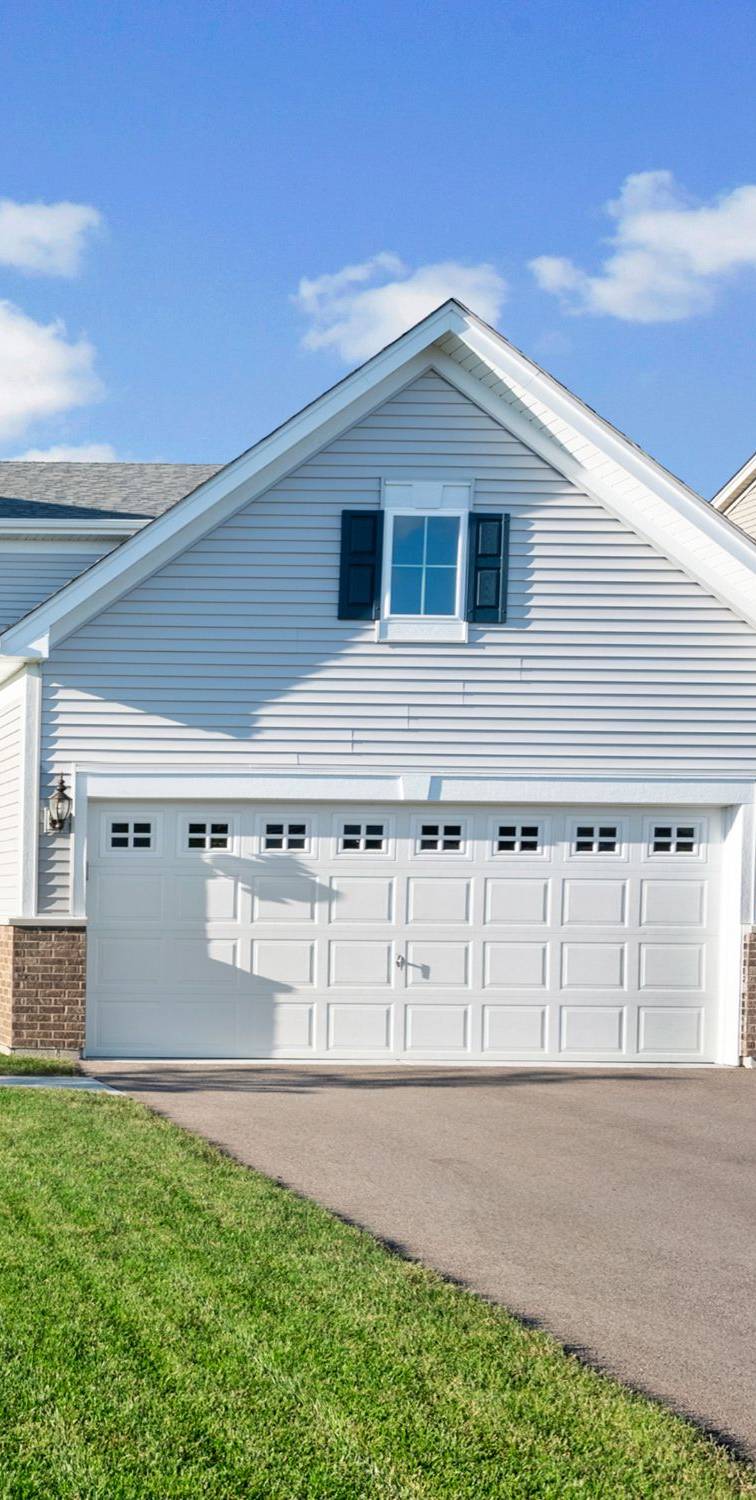
- Garage door replacement: 232.7% recoup
- Steel entry door replacement: 178.1% recoup
- Manufactured stone veneer: 162.8% recoup
- Minor kitchen remodel: 101.0% recoup
- Fiber-cement siding: 95.6% recoup
- Midrange bath remodel: 79.7% recoup
Best value strategy for Golden Valley homes
For many Golden Valley mid-century homes, the smartest order of operations looks like this:
- Address water intrusion, roof condition, and deferred maintenance
- Plan for lead-safe and asbestos-aware renovation steps where needed
- Improve air sealing, insulation, and older mechanical systems
- Preserve original architectural character where possible
- Make modest, clean kitchen or exterior updates that support resale
That approach helps you avoid sinking money into finishes before handling the issues that affect comfort, safety, and future marketability.
Questions to ask during inspections and bids
Whether you are under contract on a home or planning an update to a house you already own, the right questions can save you time and money.
Ask about health and safety issues
Bring these points up with your inspector or contractor:
- Should the home be treated as a pre-1978 property for lead-safe work?
- Is lead testing recommended before painted surfaces are disturbed?
- Is the contractor lead-safe certified if the work requires it?
- Should any old flooring, ceiling materials, or pipe wrap be sampled for asbestos before demolition?
Ask about efficiency and preservation
You should also ask:
- Would an energy audit help prioritize the work?
- What is the plan for air sealing, insulation depth, duct sealing, and ventilation?
- Can the windows be repaired or upgraded with low-e storm windows before full replacement?
- Which original features are worth preserving for function and future resale appeal?
Ask about permits in Golden Valley
Permits are another important part of the process. The City of Golden Valley states that many remodeling and repair projects require permits, and the city asks for dimensioned plans in many cases. It also notes that mechanical, plumbing, and electrical inspections are required before a building inspection, and specifically identifies projects like furnace and AC replacement and some window changes as permit-related on its building and remodeling permits page.
A good question to ask every contractor is simple: Who is pulling the permits, and what inspections are included?
Buying versus updating a Golden Valley mid-century home
If you are deciding whether to buy a mid-century home that needs work, focus on the gap between cosmetic updates and core-condition issues. Dated finishes are usually easier to plan for than hidden concerns involving paint, insulation, windows, or mechanical systems.
If you already own one, you do not need to erase its age to make it more enjoyable or more marketable. In Golden Valley, where mid-century homes are a major part of the housing stock, updates often work best when they improve how the home lives while keeping the design simple and true to its original style.
When you are ready to buy, renovate, or position a Golden Valley home for resale, working with a local team that understands both the housing stock and buyer expectations can make the process much clearer. If you want practical guidance tailored to your goals, connect with Max Rathmanner for straightforward advice on what to buy, what to keep, and what updates are most likely to pay off.
FAQs
What makes Golden Valley a strong market for mid-century homes?
- Golden Valley has a large share of homes built in the 1950s and 1960s, with detached single-family housing making up much of the local inventory, according to the city’s 2025 housing study.
What should you preserve in a Golden Valley mid-century home?
- Original picture windows, built-ins, open living areas, simple rooflines, and other clean architectural details are often worth preserving when they are still functional.
What safety issues should you check before updating an older Golden Valley home?
- Before renovating, ask about lead paint in pre-1978 homes, possible asbestos in older materials, water intrusion, insulation levels, and the condition of heating and cooling systems.
What renovations offer the best resale potential for a Golden Valley home?
- Based on the Minneapolis Cost vs. Value report, smaller exterior improvements and modest kitchen updates tend to align better with resale than large discretionary remodels.
What permits might you need for a Golden Valley remodeling project?
- Golden Valley requires permits for many remodeling and repair projects, including some mechanical replacements and certain window changes, so you should confirm permit responsibilities before work begins.