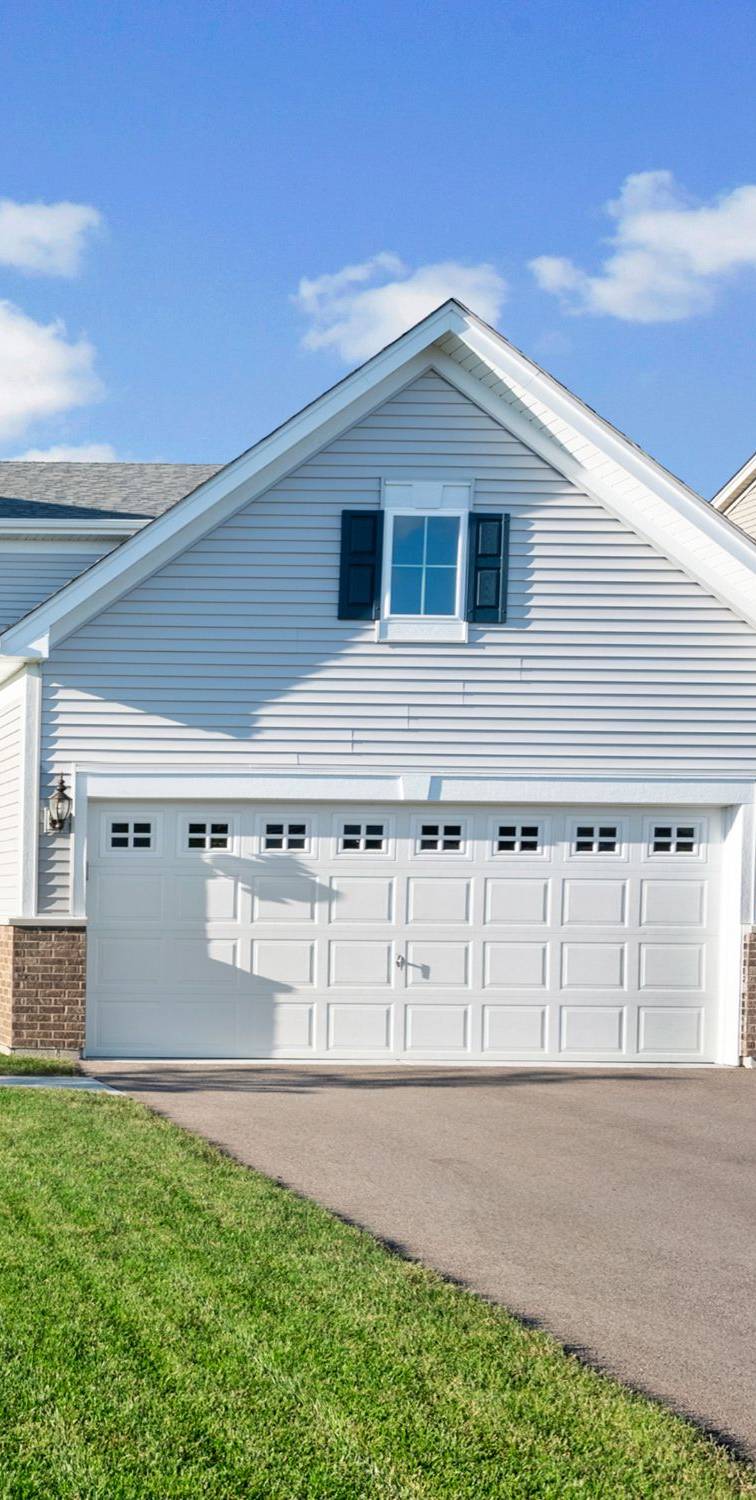
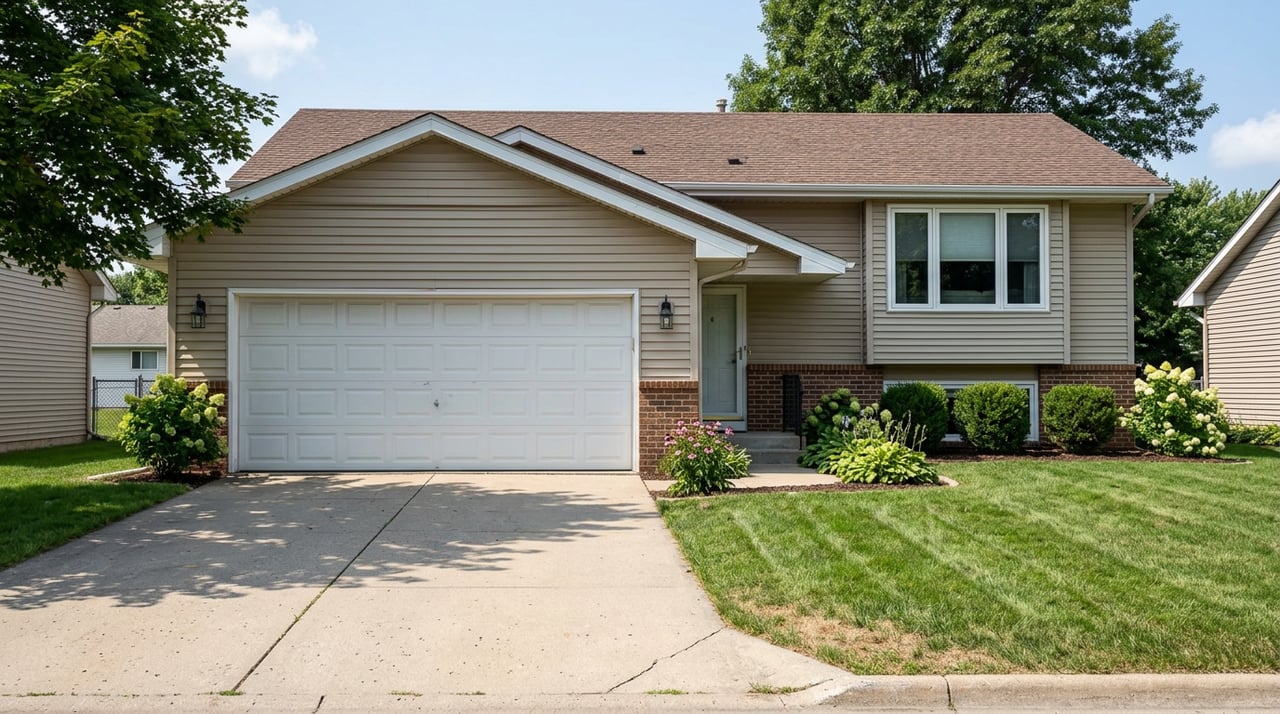
Torn between a classic Minneapolis bungalow and a bigger yard in the suburbs? You are not alone. Price, taxes, lot size, schools, and commute all pull in different directions, and each choice comes with tradeoffs. In this guide, you will see clear comparisons backed by local sources so you can match your lifestyle and budget to the right area. Let’s dive in.
Key tradeoffs at a glance
- Price and inventory: Recent vendor medians put Minneapolis in the low to mid $300Ks, while many Hennepin County suburbs trend higher in the high $300Ks to low $400Ks. Exact numbers vary by data source and neighborhood mix.
- Taxes and fees: Property taxes are set by your city, county, and school district. Bills can differ widely between two nearby homes. Always review the parcel history and levies before you set your monthly budget.
- Space and lots: Minneapolis lots are smaller and walkable. Many suburbs have larger single-family lots, often 0.2 to 0.5 acres or more in newer subdivisions.
- Schools: Several suburban districts often report higher graduation and proficiency rates on state dashboards. Minneapolis has strong programs too, but results vary school to school. Use the Minnesota Report Card for accurate comparisons.
- Commute and transit: Minneapolis offers the densest transit and higher walkability. Commute times can be similar to nearby suburbs, but your mode and route matter more than the headline minutes.
What you can expect to pay
Current price context
- Minneapolis city: Late 2025 and early 2026 vendor medians range from about $316K to around $350K depending on methodology and month reported.
- Hennepin County suburbs: County-level medians have been reported in the high $300Ks to low $400Ks. Premium suburbs often sit above the city median.
Vendors calculate medians differently, and neighborhood-to-neighborhood swings are big. Use the local MLS for the most relevant comps in your target areas and always label any figures with the vendor and date.
Taxes and levies: how to compare addresses
Your property tax bill comes from a mix of city, county, school district, and special districts. That is why two similar homes can have different annual taxes.
- Start with the parcel history for any home you are considering. The county’s site shows assessments, appeals, and billed taxes. Check it early in your search so you can estimate a realistic escrow. Visit the Hennepin County property assessment and tax page to review a property’s record: Hennepin County parcel and assessment lookup.
- Expect year-to-year changes. Preliminary statewide levies for 2026 increased compared with prior years, which can put upward pressure on local bills. See the state’s summary here: Minnesota preliminary property tax levies.
- School district levies are a common swing factor. When you compare two suburbs, pay close attention to school district lines and voter-approved levies.
Practical tip: When you request a monthly PITI estimate, ask your lender or agent to use the specific parcel’s recent tax bill instead of a flat percentage. It will make your monthly number more accurate.
Other Minnesota closing costs to plan for
Minnesota charges a state mortgage registration tax that is commonly cited at 0.23 percent of the loan amount, plus a deed tax. Title, recording, and any local assessments are separate. For a quick overview, review this guide: Minnesota mortgage and closing cost basics.
Space, lots, and housing styles
Minneapolis: compact lots and variety
Many Minneapolis neighborhoods feature early 20th-century homes, with smaller platted lots and a walkable street grid. The city’s land-use changes under the Minneapolis 2040 framework allow more small-scale multifamily in areas that were once single-family only. That can add housing choices on your block over time. Learn more about recent zoning updates here: Minneapolis land use and rezoning study.
What that means for you:
- Expect cozier lots and more homes within walking distance of shops and transit.
- You may see townhomes, duplexes, or triplexes appear as infill in certain districts.
- Maintenance can be lower outdoors due to smaller yards, but older homes can bring system updates and repair planning.
Suburbs: larger yards and newer subdivisions
Many Hennepin County suburbs set larger minimum lot sizes for single-family zoning. For example, Eden Prairie’s R1 districts list minimums around 9,500 square feet, and many newer subdivisions market 0.2 to 0.5 acre lots. See an example of how cities describe these minimums here: Eden Prairie zoning example.
What that means for you:
- More private outdoor space, extra parking, and wider setbacks.
- A higher share of mid-century ranches, split-levels, and newer builds.
- Yard care and snow removal need to be part of your weekend plan and budget.
Schools, commute, and daily life
How to compare schools the right way
If schools are part of your decision, use official state data. The Minnesota Department of Education’s Minnesota Report Card shows graduation rates, proficiency, and program info by district and school. Start here: Minnesota Report Card search.
High-level patterns reported by local sources show several suburban districts, such as Wayzata, Minnetonka, Eden Prairie, Edina, Hopkins, and St. Louis Park, often posting graduation rates in the 90 percent range, while Minneapolis district averages typically sit lower depending on the year and measure. For a snapshot of graduation comparisons, see this overview: Local report on Twin Cities district graduation rates. Your experience will depend on the exact school and program, so check the assigned schools for each address and review multi-year trends in the Report Card.
Pro tips for school-driven searches:
- Confirm assignment by address with the district.
- Read the Report Card for overall metrics and the subgroups that matter to you.
- Consider magnet programs, immersion tracks, special education services, and open enrollment options where applicable.
Commute times, transit, and reliability
The U.S. Census shows Minneapolis residents have a mean travel time to work of about 22.5 minutes based on recent multi-year estimates. Many close-in suburbs report similar averages, which means your mode and specific route will likely be the bigger factor in daily life. Review the city’s average here: U.S. Census QuickFacts for Minneapolis.
Minneapolis has the densest transit coverage in the region, including METRO light rail and growing Bus Rapid Transit lines. Several new corridors and extensions are planned or under construction, which will shift options in some suburbs over the next few years. Explore the regional network and projects: Metro Transit network and resources.
Walkability vs parking and driving
Minneapolis offers more car-optional neighborhoods with higher walkability and frequent transit. The tradeoff is smaller private outdoor space and, in some areas, on-street parking or permit rules. For a quick feel, scan neighborhood walk scores here: Minneapolis walkability overview.
Suburbs often prioritize driving convenience and easy parking. That can mean more miles behind the wheel but less stress about space for guests, gear, and daily errands.
A simple decision flow that works
- List your non-negotiables. Define the school district requirement, maximum commute by minutes or mode, minimum lot size or garage needs, and your all-in monthly budget.
- Translate monthly to price. Use current medians for your target areas as a compass, then pull recent neighborhood comps to see what is realistic in your price band.
- Vet each address.
- Check parcel tax history and current estimates: Hennepin County property search.
- Confirm school assignment and review data: Minnesota Report Card.
- Map your commute and test it at the time you would travel. Consider both transit and driving routes.
- Walk the block. Visit at different times to gauge traffic, noise, parking, and snow storage.
- Plan for the first year. Build a budget line for taxes, HOA if applicable, lawn and snow, and likely home updates based on age and inspection findings.
Example buyer scenarios
First-time buyer, about $350K budget
In Minneapolis, that number is close to recent city medians. You will likely find smaller detached homes, renovated bungalows, or duplex options in several neighborhoods. At a similar price in the suburbs, options often shift to select inner-ring communities or areas farther out. In either case, lean on neighborhood-level comps to set expectations.
Family focused on district performance, $550K to $800K
Many sought-after suburban districts often have a large share of listings in this range. The tradeoff is a higher purchase price or a slightly longer drive compared with city neighborhoods. Use the Minnesota Report Card to compare program offerings and multi-year results by school, then weigh that against commute and lot size.
Urban lifestyle, walkability, and transit access
If you value a short trip to work or nightlife and do not mind a smaller yard, core Minneapolis neighborhoods with frequent transit and strong walk scores can be a great fit. Expect more architectural variety and, in some areas, a higher price per square foot. Plan your search near light rail, BRT lines, or frequent bus routes for the most flexibility.
How to compare two homes side by side
Use this quick checklist before you write an offer:
- Pull the last two years of tax bills from the parcel record and ask your lender to use them in the escrow estimate: Hennepin County parcel lookup.
- Confirm the assigned schools for the exact address and review the school pages in the Report Card: Minnesota Report Card.
- Map two commute options for peak times and test drive the route. If transit is important, explore current and planned service: Metro Transit resources.
- Note lot size and setbacks in the parcel map, then drive the block to visualize snow storage, guest parking, and yard use.
The bottom line
If you want larger lots, a higher share of newer homes, and specific district priorities, many Twin Cities suburbs will check those boxes. If you want walkability, more transit, and shorter trips to entertainment or work corridors, Minneapolis offers strong value and variety around the low to mid $300Ks median range. Either path can be a win if you align your non-negotiables and budget with the right neighborhoods.
When you are ready to compare addresses, tours, and numbers, our team will guide you through parcel taxes, school data, and commute mapping so you can move with confidence. Connect with Max Rathmanner to start your plan.
FAQs
What are typical home prices in Minneapolis vs nearby suburbs in 2026?
- Vendor medians show Minneapolis in the low to mid $300Ks and many Hennepin County suburbs in the high $300Ks to low $400Ks, with big swings by neighborhood and data source.
How are Hennepin County property taxes calculated and why do they vary?
- Taxes come from city, county, school district, and special districts, so bills differ by location; review the parcel’s history here: Hennepin County property and assessment and see statewide levy context here: Minnesota preliminary levies.
What closing costs are unique to Minnesota that I should budget for?
- Minnesota charges a mortgage registration tax that is commonly listed at 0.23 percent of the loan amount plus a deed tax, along with title and recording fees; learn more here: Minnesota mortgage and closing cost basics.
How can I compare schools for a specific Twin Cities address?
- Confirm the assigned schools with the district, then review graduation, proficiency, and program data in the state dashboard: Minnesota Report Card.
Is commuting from Minneapolis faster than from the suburbs?
- The Census puts Minneapolis’s mean commute at about 22.5 minutes, which is similar to some nearby suburbs; your mode and route matter most, so test both driving and transit: U.S. Census QuickFacts and Metro Transit resources.